

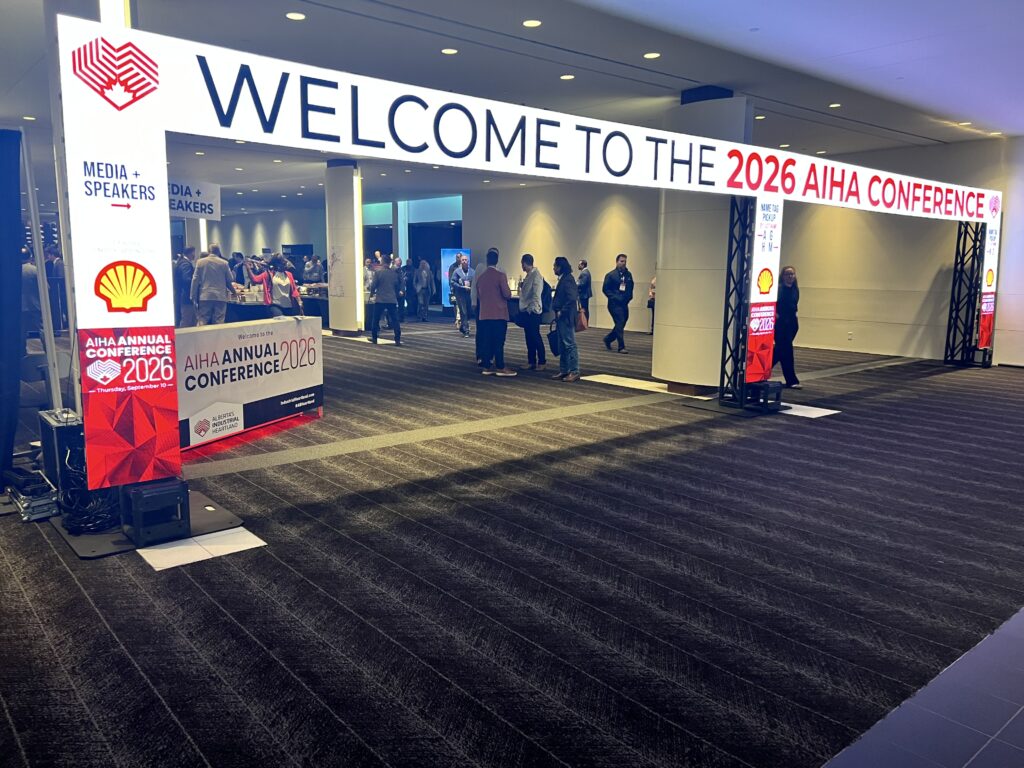
Attendees see a sea of nametags, a coffee station, a keynote that starts on time, and a PowerPoint presentation that just works. What they don’t see is the eight to12-month leadup behind those few minutes on stage — the spreadsheets, the vendor calls, the emcee script that’s been revised eleven times, and the person quietly blacking out an error on the directional signage 45 minutes before doors open.
Event management is often mistaken for the day-of hustle: nametags, signage, a person greeting you with a lanyard and a programme. In reality, the event day is the smallest visible slice of the work. Here’s just some of what actually goes into pulling off a successful conference.
Months Out: The Basics
Long before anyone settles on a keynote speaker, the event needs a shape. This is where the big decisions come together: venue, dates, budget, and the overall program vision.
What should attendees walk away with? What’s the theme? How will the space support the experience? These early decisions shape everything that follows, from speaker selection to session formats.
The Long Middle: Logistics Galore
This is where much of the behind-the-scenes work happens. Speakers need to be coordinated, registration systems built and tested, sponsors’ commitments tracked, and marketing communications timed.
At the centre of it all is the run-of-show—the detailed plan that keeps sessions, speakers, AV, transitions, and staff moving together. It evolves constantly as the event takes shape.
There are countless moving pieces, and the goal is to make them feel effortless to attendees.
The Final Weeks: Everything Comes Together
As the event approaches, all those moving pieces converge. Catering numbers are finalized, signage and materials go to print, AV is tested, staffing assignments are confirmed, and the final run-of-show is distributed.
It’s also time for contingency planning. What happens if a speaker cancels? What if the weather changes? Experienced event managers know that preparing for the unexpected is just as important as planning for the expected.
Event Day: Execution
By the time the doors open, the real problem-solving should already be done. Event day is about execution—following the plan, managing the inevitable small changes, and keeping communication flowing behind the scenes.
After the Lights Come Up
The work doesn’t end when the last session wraps. There are budgets to reconcile, sponsors to report to, attendee feedback to review, and thank-you notes to send.
Most importantly, there’s the debrief. Every event teaches you something, and the best event teams use those lessons to make the next one even better.
The best compliment an event team can receive is, “That was seamless.” Seamless means the audience never saw the machinery behind the experience.
Planning an event can be complex—but you don’t have to manage all those moving pieces yourself. If you’re considering an upcoming conference or corporate event, contact us to start planning and let’s bring your vision to life.